

Illustration only. Not a WCSI project.
Acrylic Court Resurfacing & Coating in British Columbia
Plan acrylic court resurfacing, coating and line marking in British Columbia around the condition of your existing court.
- Worn playing areas
- Lines hard to follow
- Cracks
- Loose material
- Water after rain
Signs to describe, not a diagnosis
When is it time to resurface a court?
01 / 04 · ASSESS
Start with the surface and the site.Assess. Start with the site.
Review the base, drainage and existing coating before choosing a renewal approach.Review the existing surface and site conditions before agreeing the work.
02 / 04 · REPAIR & FILL
Start with what is beneath the lines.Repair & fill. Start beneath the lines.
Confirm the repair method, compatibility and limitations before the colour layers are applied.Confirm the repair method and compatibility after a site review. The assessed surface informs the proposed approach.
03 / 04 · COAT
Build up the selected surface system.Coat. Follow the selected system.
Review the proposed resurfacer, optional cushion layers and colour coatings as part of one system.The assessed surface and selected system guide the proposed coating layers.
04 / 04 · MARK
Make the lines clear for play.Mark. Agree the lines for play.
Agree the sports, line contrast and marking drawing before the lines are applied.Confirm the sports, line layout and contrast against the agreed marking drawing.
The assessed surface and selected system determine the repair and coating approach.
WCSI helps private homeowners and municipalities in British Columbia define the preparation, repairs and finish needed for their next project. Alberta and Saskatchewan enquiries are also welcome.
Look beyond faded colour. Tell us about worn playing areas, lines that are difficult to follow, cracks, loose material and water left on the surface after rain. Describe where each issue occurs and whether it has changed since the previous season. The same appearance can have different causes, so photographs begin the discussion rather than settle the diagnosis.
If you know when the court was last coated or repaired, include that history. Explain which sports are played, how often the court is used and whether the layout still works. A homeowner may want clearer shared markings; a municipality may need to coordinate several courts and keep part of a recreation area open. Those decisions belong in the assessment brief.
Repair, recoat, cushion or rebuild?
Use these questions to prepare for a review. They are discussion criteria, subject to technical confirmation, rather than a tool for diagnosing the court yourself. A new colour coat should not be specified as the remedy for an unresolved base or drainage problem.
| Route to discuss | Information to gather | Decision still required |
|---|---|---|
| Repair before coating | Crack locations, previous repairs, local damage and changes over time | Cause, movement, repair method and compatibility |
| Recoat an existing surface | Worn finish, legible or faded lines, coating history and overall condition | Whether the existing surface and base can accept the proposed system |
| Consider cushioning | Intended play, user priorities, existing build-up and care expectations | Suitable complete system, preparation and supported performance wording |
| Investigate rebuilding | Uneven areas, recurring water, base movement or unsuccessful earlier repairs | Extent of investigation, drainage work and reconstruction scope |
The age of a coating is useful background, not a replacement for inspecting its condition. No universal recoating cycle or crack threshold is set here. Ask for a proposal that separates confirmed surface work from investigations or provisional base repairs. If preparation reveals something different, agree how that changes the scope before further work proceeds.
Crack Repair and RiteWay
Discuss crack repair as its own item, with preparation, compatibility and limitations recorded. Ask about RiteWay where relevant to the assessed court; a named repair product alone does not establish the right method or guarantee that movement will stop.
Which acrylic or cushioned system fits the project?
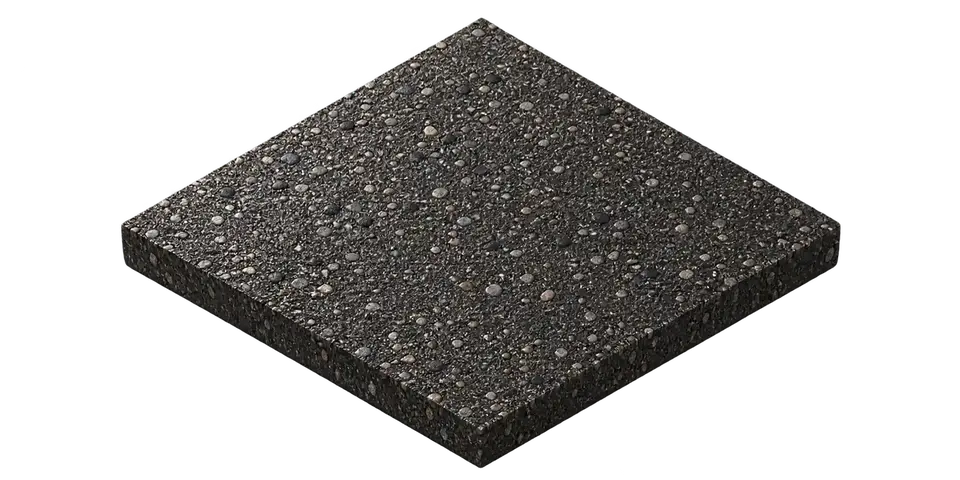
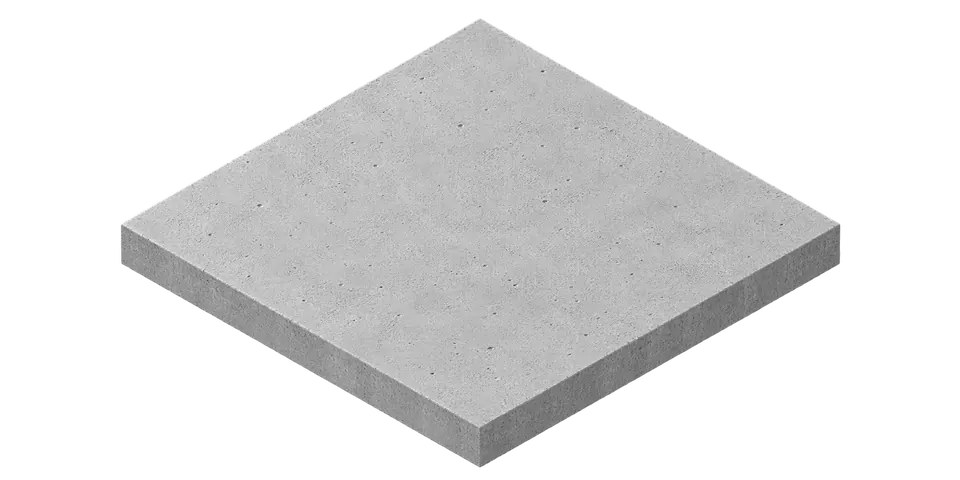
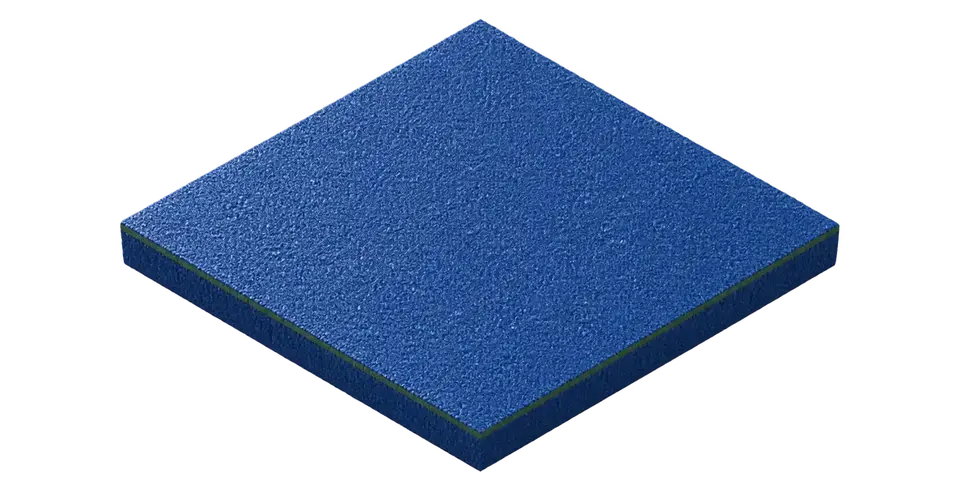

- 01Asphalt baseConcrete baseStart with the base, drainage and condition of the site.Start with the slab, drainage and condition of the site.
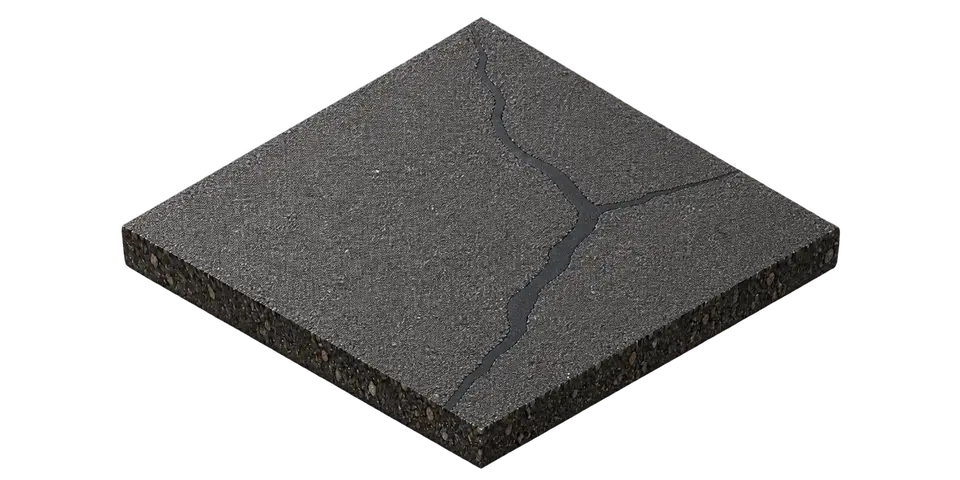
- 02Crack repairCrack repair / 02Agree the method, compatibility and limitations.
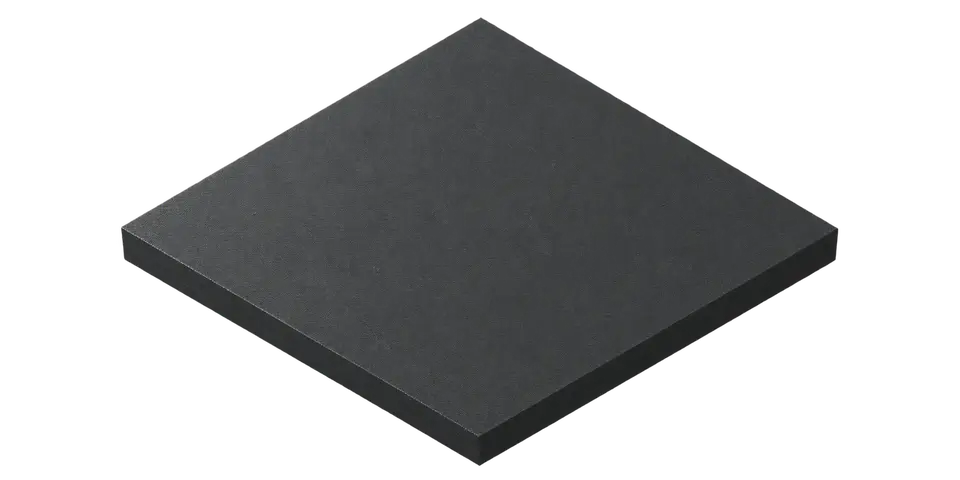
- 03Resurfacer / cushionResurfacer / cushion / 03Cushion layers are an option, not a universal requirement.
- 04Acrylic coatingAcrylic coating / 04Review samples and the proposed coating system.
- 05Line markingLine marking / 05Agree the sports, contrast and marking drawing.
Conceptual build-up. Actual layers depend on the selected system.
WCSI works with Nova Sports USA surfacing products. Compare the actual system proposed, its preparation requirements and the current manufacturer documents. A proposal should name the products and the build-up rather than describe every option simply as court paint.
Novacrylic and Novaplay
Ask for the current product name and technical data sheet for the proposed acrylic coating, whether it is Novacrylic or Novaplay. Review its intended use, base preparation and compatibility with the existing finish before choosing the system.
Combination Surface
Compare Combination Surface using the same site information as the other options. Ask what the package includes, how the base is prepared and what distinguishes it from the proposed acrylic or cushioned alternatives. Use the current specification to establish the difference.
NovaCushion and Cushion Pave
A cushioned option should be assessed as a complete system, including preparation, layers, finish and ongoing care. Discuss why it is being considered for your users and which performance statements the manufacturer supports. Do not assume that adding cushioning resolves problems below the finish.
NovaCushion and Cushion Pave require separate identification. Confirm the manufacturer and current configuration of each candidate before comparing packages. If modular tiles are also being considered, review their base, drainage and maintenance requirements separately through the modular sport tile guide.
Can a tennis court be converted to pickleball?
Concept tennis court with a net and contrasting playing-area and surround colours.
Concept pickleball court showing the net, playing area and line layout.
Concept basketball court with hoop positions and contrasting court markings.
Concept padel court showing the playing surface, net and enclosure.
Choose colours with physical samples and clear line contrast.Colours are illustrative, not a product range. Confirm the selection against approved samples.
Concept illustrationStart with the intended use: retain tennis with additional pickleball markings, or review a dedicated pickleball layout. Share a plan showing the available surface, fencing, gates and equipment. The marking drawing must be reviewed together with access, run-off space, net arrangements and the way people move between playing areas.
For shared play, discuss which lines should be most prominent and how players will distinguish the sports. For a dedicated conversion, say how old markings will be treated and what changes to posts, nets or fencing are planned. A line-painting request can become a wider project if the proposed layout needs equipment or base work.
Ask for the approved layout before colours are ordered or work is booked. We do not set a universal number of pickleball courts that fit on an existing tennis court; the complete site and the applicable sporting requirements need review. If tennis stays the main sport, the tennis courts page covers new builds and upgrades.
What happens during preparation and resurfacing?
Begin with the enquiry and condition information, then establish whether a site assessment or further investigation is needed. The proposal should explain the work in a sequence the owner can review:
- Record the existing surface, known repairs and areas requiring investigation.
- Confirm the agreed preparation, repair and any separately designed base or drainage work.
- Review the chosen coating system, colours and marking drawing.
- Coordinate access, protection of adjacent areas and the application programme.
- Complete the specified surfacing and line work, then review return-to-use and care instructions.
This is a planning sequence, not an application manual. Ask who is responsible for each stage and which conditions must be accepted before the next begins. Keep disposal, equipment moves, fencing interfaces and reinstatement visible in the proposal so they do not become assumptions hidden behind a surface-only description.
When can acrylic work be scheduled?
The selected system's current technical data sheet must determine application conditions and curing requirements. Ask about air and surface temperature, moisture, forecast rain, drying between stages and the period before play resumes. A warm afternoon alone does not establish a suitable work window.
For coastal BC, discuss the actual site's drying conditions, shade and rain exposure. For the Interior, confirm the location, elevation and expected daily conditions before agreeing a programme. Alberta and Saskatchewan projects need their own prairie work-window review. These are separate planning conversations; one calendar range should not be copied across all regions.
Keep a preferred opening period in the brief, with room for weather-dependent stages. Municipal bookings, school use and household plans can be considered when sequencing the work, but a date should follow the approved scope and application requirements. See our service areas for regional planning information.
How do we choose colours and maintain the finish?
Choose playing-area colours and line contrast together. Review approved samples and the marking plan, especially where several sports share the surface. The colour visualizer can help explore combinations; confirm the final selection against the approved range for the system being quoted.
At handover, request written care instructions for the actual system. Ask how to remove debris, which cleaning methods are permitted, how to report damage and when condition checks should be made. Record who will inspect the court and keep the maintenance information with the project documents. A generic care routine should not override the selected manufacturer's instructions.
What should a municipal resurfacing proposal include?
Share the court inventory, intended sports, procurement requirements and available inspection reports. Name the people reviewing the scope and note any public access or operating restrictions. Schools and clubs can use the same approach while adding their own booking and site-access needs.
Ask for an itemized scope, system documents, repair allowances, exclusions, marking drawings and a proposed maintenance schedule. Identify any insurance, safety or contractor documents the procurement team requires and confirm which current records can actually be provided. Confirm the documents needed for your procurement process with WCSI. Agree the inspection and handover records before the work starts.
Which surface renewal projects can we review?
Use examples that show the starting condition, preparation and finished court. A useful comparison identifies the confirmed location, audience, surface system, scope and year, alongside photographs that the owner has permission to publish. Ask which parts WCSI completed when reviewing a project similar to yours.
View the project collection when approved cases are available.
← Previous photo · Next photo →
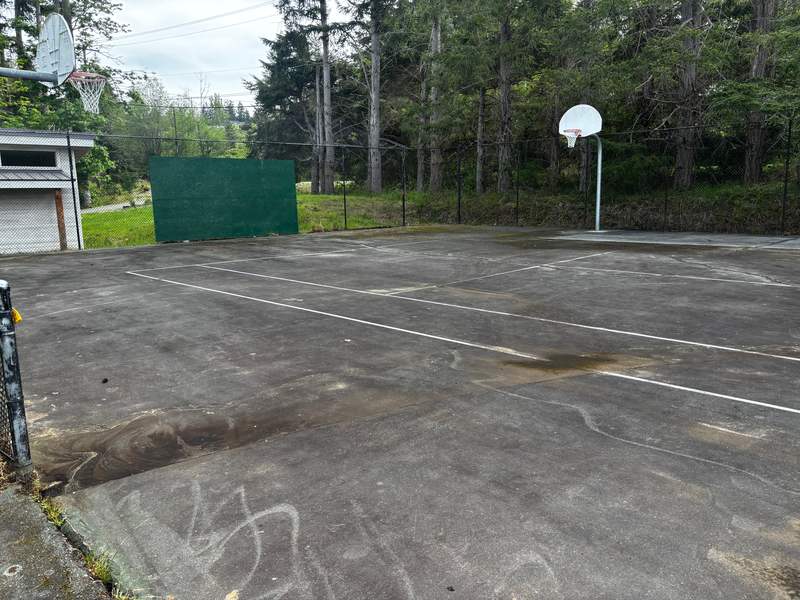
Worn court surface with faded line markings 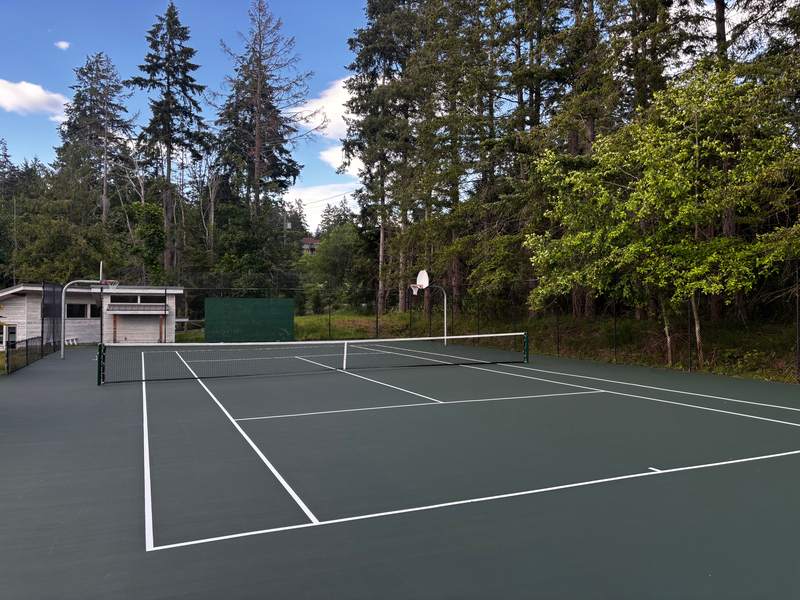
Green court surface with white line markings 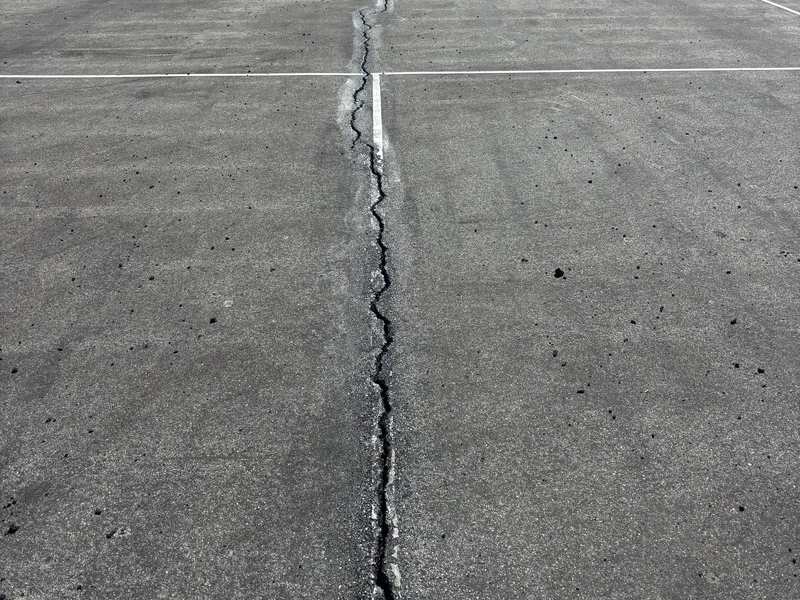
Before: Crack running across a worn court surface 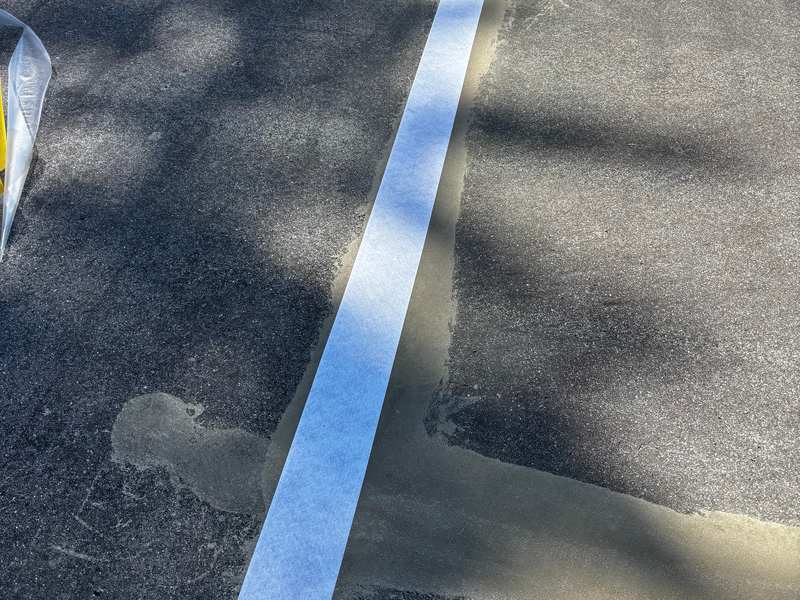
Masked crack repair on a court surface 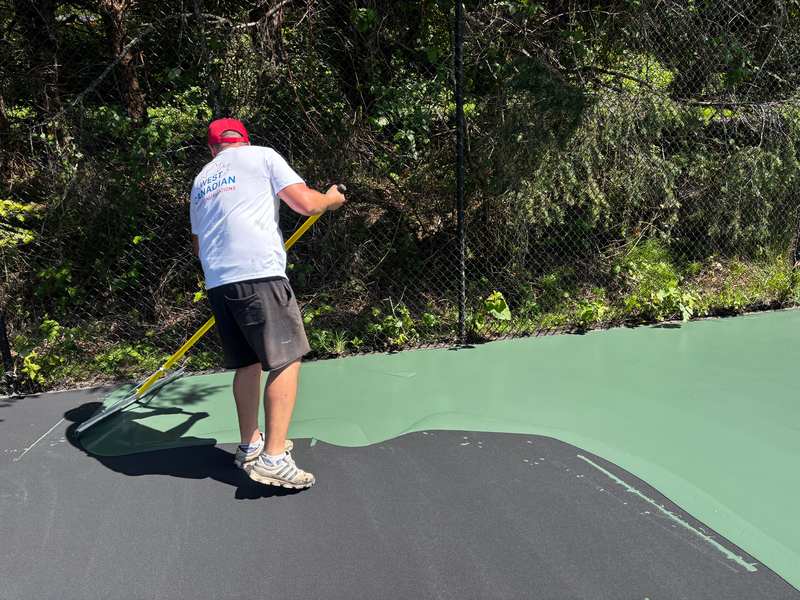
Court colour coating applied with a squeegee 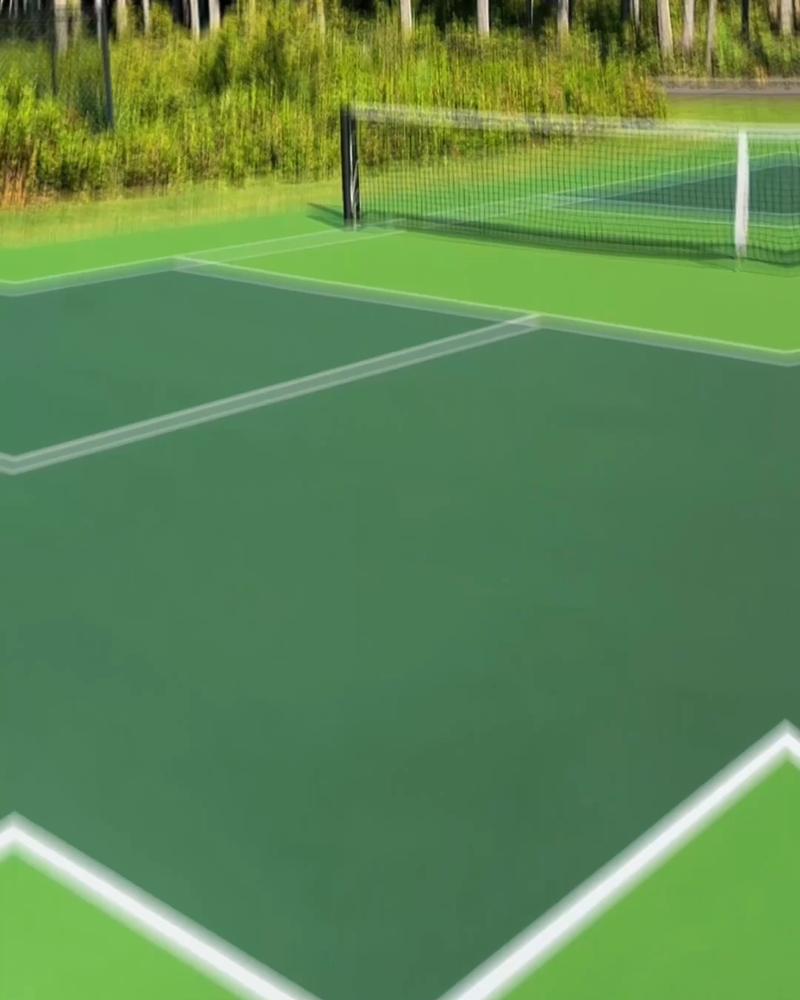
Court renewal footage showing surface work and a finished green court.Watch the full video Footage of court surface preparation, colour coating and line marking, followed by a green court with white lines.
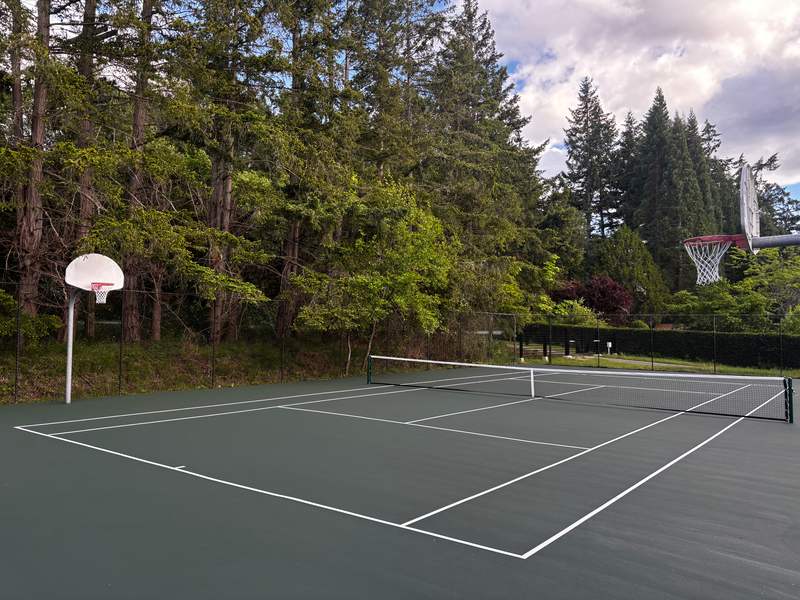
After: Dark green court with white lines 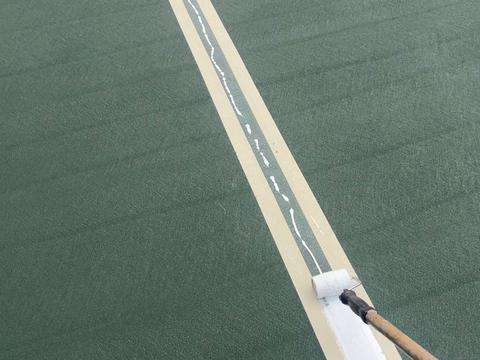
Line marking with a small roller 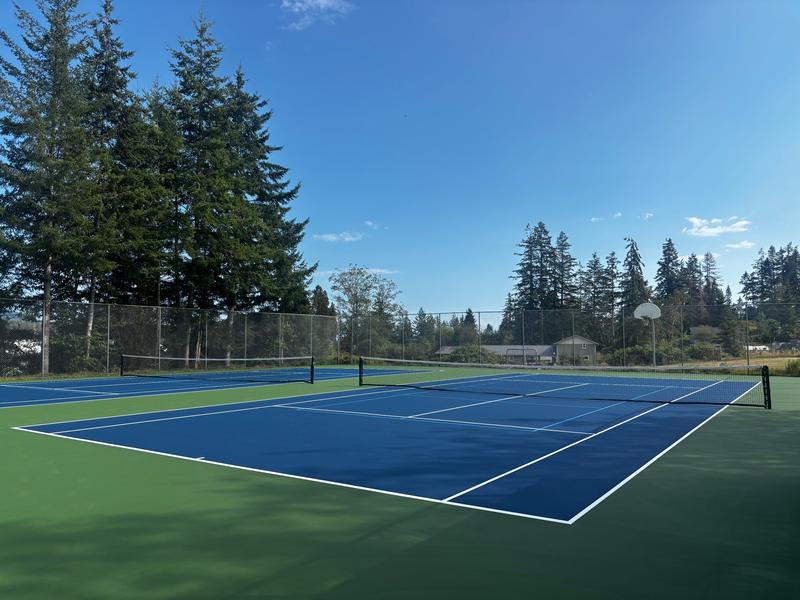
After: Blue tennis court with white lines 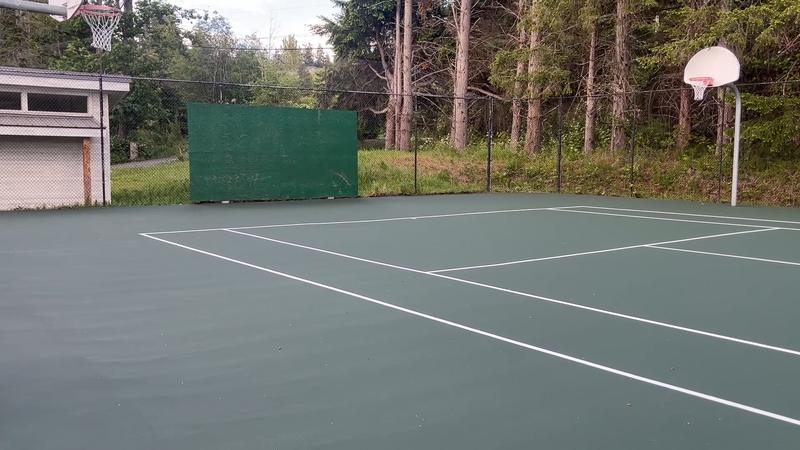
Green court with white lines and a net.Watch the full video Footage of a green court surface and net with white line markings; no project attribution.
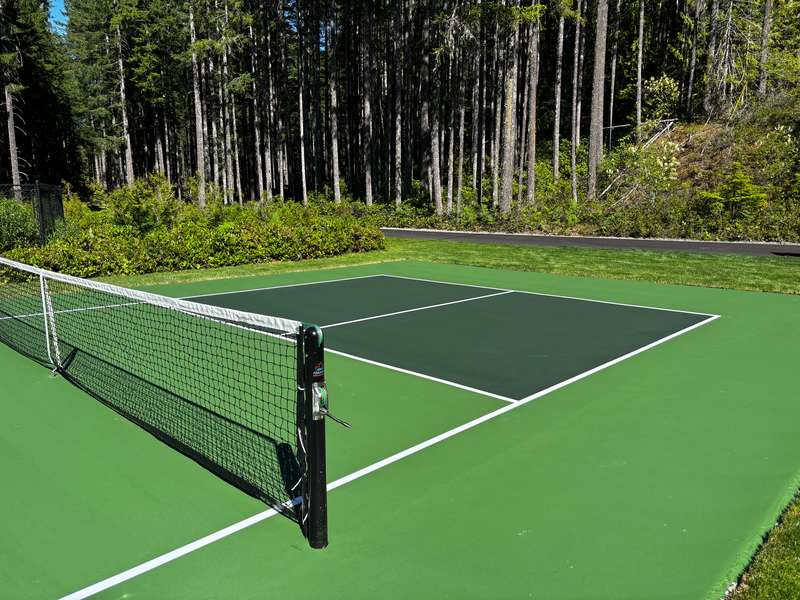
After: Two-tone green court and net detail 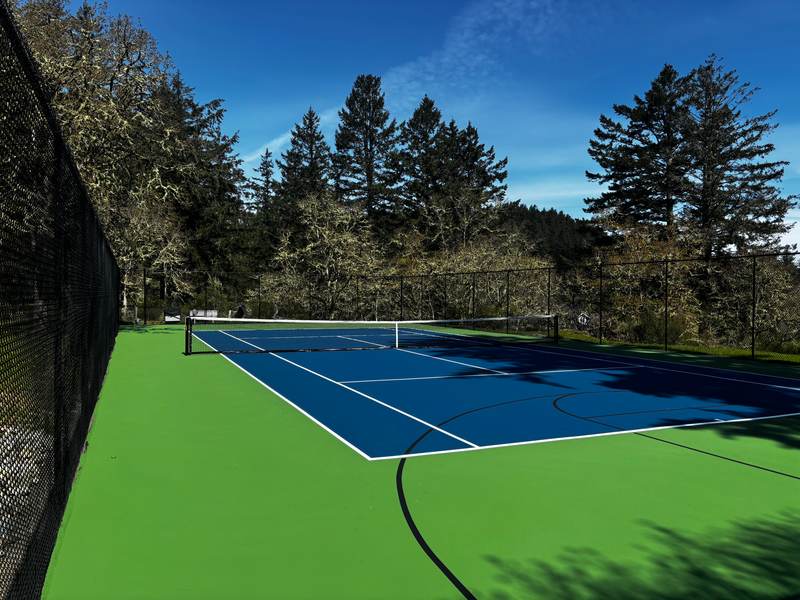
After: Blue and green tennis court beneath trees
FAQ.
Can painting alone fix cracks or puddles?
An assessment is needed to identify the cause and appropriate scope. Ask for surface work, repair and any base or drainage investigation to be listed separately before deciding what to coat.
Do we need to choose a surface before asking for a quote?
No. Describe the current court and your goals. The site information and current product documents provide a basis for comparing acrylic, cushioned and other options.
Can line marking be included with resurfacing?
Include the intended sports in your enquiry. Review a marking drawing, colour contrast and equipment requirements with the renewal scope before approving the layout.
How long does resurfacing take?
It depends on the condition of the court, the repairs needed, the system chosen and the weather. Ask for a programme in the proposal that matches your scope, including drying time between stages and the period before play can resume.
Will cracks come back after they are repaired?
They can if the movement or base problem that caused them is not addressed. Ask what is causing the cracks, which repair method is proposed, what it can and cannot do, and what the written scope says about repairs that reappear.
Can WCSI provide insurance and safety documents?
Municipal and commercial buyers can ask for insurance and workplace-safety documents with their request. WCSI confirms which current documents it can supply when it prepares the proposal.
Is a municipal maintenance pack available?
Ask which documents can be supplied for the proposed system and scope. The contents and maintenance schedule require agreement; ask for the documents relevant to your project rather than relying on a generic pack.
LET’S PLAN YOUR NEXT STEPFREE QUOTE
Start your court project.
Tell us what you’re planning and where.Tell us what you are planning and where. Photos or a site plan can follow.